Inviting the Devil to Dinner: Louisiana Hatchery Dystopia
There are several videos doing the rounds on social media lately about stocking redfish into

UPDATE AS OF 05/14/2026: The proposed rule mentioned below passed on a 5-2-2- vote and will continue on track to becoming law in North Carolina. Thank you to the hundreds of advocates who submitted public comments!
The North Carolina Marine Fisheries Commission is taking a clear, common-sense step forward at its May 2026 meeting. The proposed rule for Atlantic bonito (15A NCAC 03M .0524) is exactly the kind of proactive management we need more of on the Atlantic coast.
North Carolina currently has no rules in place for Atlantic bonito. No size limit. No bag limit. No stock assessment. Meanwhile, recreational landings have been climbing steadily since 2017 and now exceed the long-term average. North Carolina alone accounts for 22 percent of all coastwide recreational bonito harvest. That is a massive share of a coastal migratory resource, and the trend is unmistakable.
Atlantic bonito behave differently in North Carolina than in many other parts of their range. They form dense, short-lived schools, often around structure, and appear in pulses that make them highly vulnerable to concentrated harvest. New technology and shifting angler behavior have made them easier to target than ever. Without guardrails, we risk repeating the same story we have seen with too many other inshore species — rapid expansion followed by sudden decline.
The proposed rule addresses this head-on. It establishes a straightforward five-fish recreational bag limit per person per day as a permanent baseline. Current harvest data shows most anglers are not keeping anywhere near that many fish anyway, so the immediate impact on the fishery will be minimal. At the same time, the rule gives the Fisheries Director authority to implement additional measures by proclamation if conditions warrant — but only with MFC consent, public outreach, and a clear effective date. This creates a fast, flexible response mechanism without locking the state into rigid rules that cannot adapt.
This is not about punishing anglers. It is about preventing waste. Atlantic bonito are best eaten fresh. They do not freeze well. Unchecked harvest on a pulse fishery like this almost guarantees fish left on ice or in freezers that never get eaten. That is not responsible angling, and it is not good for the resource. As stewards of our waters, we should take pride in enjoying our resources, harvesting fresh fish for the table and prioritizing the opportunity to do so for years to come.
Massachusetts already took this exact precautionary approach in 2025 with a 16-inch minimum size and a five-fish combined limit for bonito and false albacore. Several other states are moving in the same direction. By adopting this rule, North Carolina matches our neighbors on a shared migratory stock instead of becoming the weak link on the coast.
The American Saltwater Guides Association strongly supports the Commission approving the Notice of Text for this rule. It is a measured, science-based first step that protects a valuable fishery before problems become crises. We cannot afford to lose another inshore species to delay and inaction.
Want to participate in the process? We have listed some talking points below, as well as the direct links to meeting briefing materials and the link to comment. If you have been waiting for an opportunity to join the wave of conservation minded anglers pushing for proactive management, consider it now!
Talking Points for Public Comments:
There are several videos doing the rounds on social media lately about stocking redfish into
ASMFC released Draft Addendum II to Amendment 3 of the Atlantic Menhaden Interstate Fishery Management
The November ASMFC Menhaden Board meeting will be one for the ages, yet many advocates
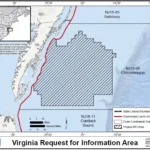
The federal government is once again testing how far it can push industrial extraction into
We rely on our members and donations to keep fighting for a sustainable tomorrow in marine conservation.
GIVE THE GIFT OF FISHERIES CONSERVATION THIS HOLIDAY SEASON. SHOP ASGA GOODS THAT FUND FISHERIES RESEARCH & ADVOCACY CAMPAIGNS
JOIN ASGA IN CALLING FOR CRITICAL MANAGEMENT ACTION AFTER YEARS OF SPAWN FAILURES & POOR MANAGEMENT.
By using this website, you agree to our use of cookies. We use cookies to provide you with a great experience and to help our website run effectively. To learn more, please review our privacy policy.
2 Responses
I completely agree with all the info, comments, and forward thinking. We fisherman and humans have unfortunately repeatedly proved how we can decimate fish and animal populations if left unchecked. Most recently both Mahi and Bluefish which thankfully now in some areas have a daily limit. I am all in favor of supporting the Commission approving Notice of Text and rule to limit daily harvest and minimum size.
We need to use protection with the bonito