
Inviting the Devil to Dinner: Louisiana Hatchery Dystopia
There are several videos doing the rounds on social media lately about stocking redfish into

Recent developments in the 2025 Atlantic Menhaden Stock Assessment Update, released by the Atlantic States Marine Fisheries Commission (ASMFC), have exposed a critical issue that demands our attention. A dramatic error in natural mortality (M) estimates has massive implications for reassessing recent quotas and setting new ones going forward. You can learn more about that by clicking here. Based on a new scientific review, the Atlantic menhaden fishery has gone hundreds of millions of pounds over quota each year. Now, there are potential ramifications for the fishery’s Marine Stewardship Council (MSC) certification.
In 2019, the Atlantic menhaden fishery was awarded MSC certification as a sustainable fishery. The current situation could bring up issues at the fishery’s annual audit. The MSC fishery standards are based on core principles that every fishery must meet, including:
1. Sustainable fish stocks: Fishing activity must be at a level that ensures it can continue indefinitely.
2. Minimizing environmental impact: Fishing operations must be managed to maintain the structure, productivity, function, and diversity of the ecosystem
The 2025 Stock Assessment Update, a peer-reviewed benchmark incorporating data through 2024, presents a significant issue: the assessment’s natural mortality (M) estimates, previously set at 0.4-0.6 per year, have been revised downward to 0.2-0.3 per year based on updated tagging and mark-recovery models. This change, explained in Section 14 of the SEDAR 102 draft, suggests that earlier assessments overestimated the stock’s productivity by 20-30%, which led to inflated Total Allowable Catch (TAC) levels (the current 233,550 mt TAC for 2023-2025).
This error in M has a ripple effect. The SEDAR 102 report highlights that the forage fish mortality threshold (FFMT) is exceeded in 20% of simulation scenarios, signaling a risk to the ecosystem’s balance—particularly for predators that rely on menhaden. The draft recommends a 55% F reduction (to F = 0.11) to achieve 90% ERP compliance, a stark contrast to the Update’s more conservative 20% reduction for 80% compliance. This discrepancy suggests that the stock’s apparent health may mask regional depletions, with stakeholders reporting menhaden scarcity along the coast (e.g., 60-70% below historical abundance in Chesapeake Bay and Mid-Atlantic waters).
So, what does that mean in layman’s terms? The latest science shows this industrial fishery has been taking too many fish for far too long, and massive reductions are needed to right the course. If the industry does not take the fullest extent of the reductions necessary, we’re not sure how anything about the operation could be stamped ‘sustainable’ going forward.
The MSC certification, granted to the Atlantic menhaden fishery in September 2019 and currently under a 2024 re-certification audit (expiring March 30, 2026), hinges on maintaining scores above 80/100 across three principles: stock status, ecosystem impacts, and management. The revised M estimate poses a direct threat to Principle 1 (stock status) and Principle 2 (ecosystem impacts). If the assessment error is deemed “material” by the certification body (e.g., SAI Global), it could lower the fishery’s score from 82.5/100 to below 80, triggering conditions or suspension. Historical precedents support this concern: MSC de-certified New Zealand hoki in 2007 due to M overestimation leading to overfishing risks. With the 2024 audit ongoing and the October 27-30 ASMFC meeting approaching, the fishery faces a critical juncture where these M inaccuracies could jeopardize its sustainable label.
The MSC certification is highly prized for businesses reliant on EU imports; so much so that it demands a premium price that could increase the value of menhaden by 10-20%. Losing the certification may also trigger higher tariffs or at least stricter import standards. All of these dynamics will influence the upcoming decision-making at ASMFC. On one side, this industry will fight tooth and nail not to take the full reduction needed. On the other side, if they do not, there is precedent for the fishery to lose its sustainable certification, which could be far more costly in the long run.
Let us be clear: our concern is not menhaden industry pricing and margins. We’re concerned about the resource first and foremost. We hope that managers will prioritize the resource as well, recognizing the significance of these data errors and the long term, wide spread implications of depleted forage fish stocks. Now we need your help calling on ASMFC to do the right thing! Please head to the Menhaden Action Alert page for the full story. While you’re there, sign our Official ASGA Letter on behalf of our menhaden fishery. This letter has already received over 1000 sign-ons in just three days! It will be sent to managers and public officials this weekend.
There are several videos doing the rounds on social media lately about stocking redfish into
ASMFC released Draft Addendum II to Amendment 3 of the Atlantic Menhaden Interstate Fishery Management

The November ASMFC Menhaden Board meeting will be one for the ages, yet many advocates
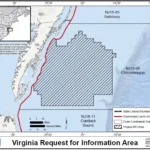
The federal government is once again testing how far it can push industrial extraction into
We rely on our members and donations to keep fighting for a sustainable tomorrow in marine conservation.
GIVE THE GIFT OF FISHERIES CONSERVATION THIS HOLIDAY SEASON. SHOP ASGA GOODS THAT FUND FISHERIES RESEARCH & ADVOCACY CAMPAIGNS
JOIN ASGA IN CALLING FOR CRITICAL MANAGEMENT ACTION AFTER YEARS OF SPAWN FAILURES & POOR MANAGEMENT.
By using this website, you agree to our use of cookies. We use cookies to provide you with a great experience and to help our website run effectively. To learn more, please review our privacy policy.