Opposition to BOEM’s Proposed Seabed Mining Off Virginia’s Coast
The federal government is once again testing how far it can push industrial extraction into

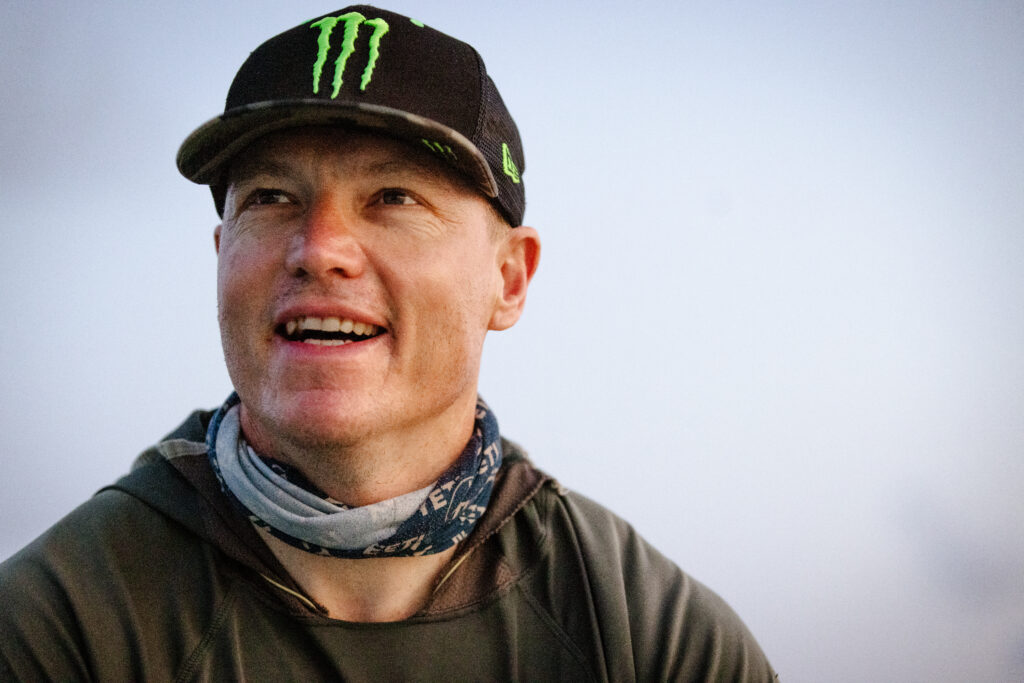
Earlier this summer, the Jack Project took another big step forward. On the waters of the Gulf of Mexico, scientist Dr. Marcus Drymon from the University of Mississippi teamed up with Monster Energy athlete and renowned guide Jako Lucas and legendary fly designer and YETI Ambassador Blane Chocklett for a focused tagging mission on jack crevalle out of Port O’Connor, TX. Together, they deployed 10 new acoustic tags, pushing the total number of tagged jacks in this groundbreaking study to 27 fish.
Tagging fish can be a monstrous undertaking. Not only does it take collaboration, manpower, lots of funding and cooperative conditions, it also takes the right group of people with an abundance of skills to successfully deploy the tags in the fish. Acoustic tags are expensive, and every opportunity to put a tag into a fish is elevated into a high-stakes situation that demands focus, precision, and quick decision-making to deploy a tag successfully.
Tagging wild fish is never guaranteed and always requires a lot of alignment for success. Weather, fish behavior, and time on the water all need to line up just right. These moments are fleeting if you ask anyone who spends most of their time on the water. But when the stars align and everything comes together, real progress can be made.
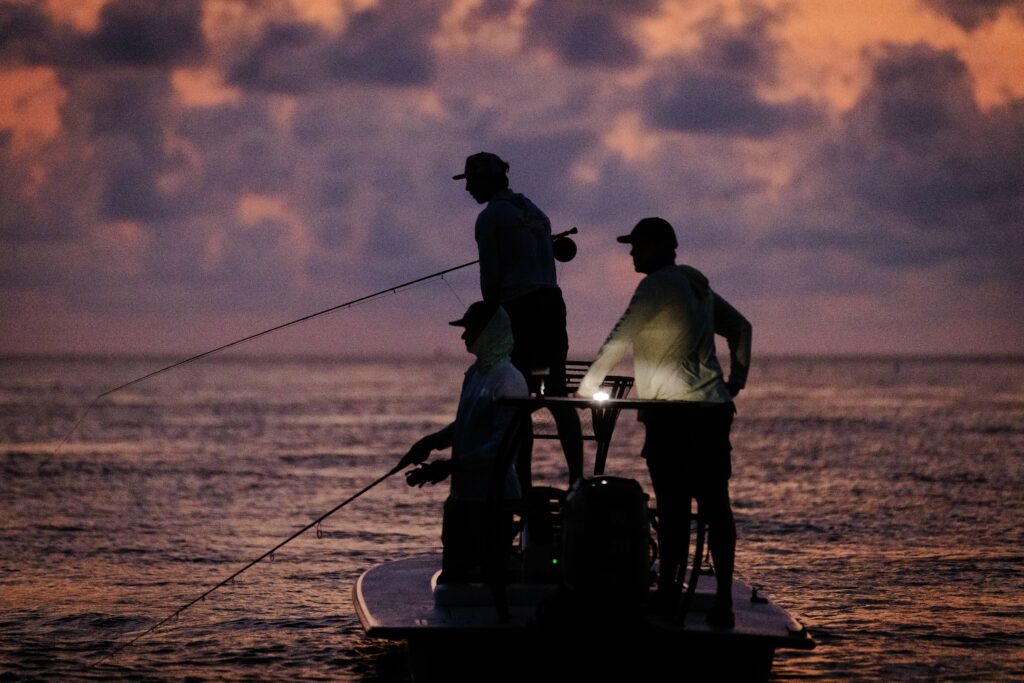
The heart of this project is learning how jack crevalle move — and that starts with making sure the fish are treated with the utmost care. Every step of the process is designed to reduce stress and set each jack up for a healthy release:
These acoustic tags are then tracked through a network of underwater receivers, painting a picture of where jack crevalle roam and how they use different habitats. A surprising takeaway from this most recent trip was the fact that they were able to tag two distinctly different-sized class fish. Dr. Drymon explained,
“We only saw two different size classes of fish (18” and 35”) and not much in between. Getting tags in the smaller fish is a huge bonus as we will start to be able to paint a detailed movement picture for both younger and older fish.”
Getting tags into younger age classes is especially valuable, offering insights into how these fish grow and move through their lives. With each tag deployed, we inch closer to answering key questions that will help ensure jacks — a species currently unmanaged — get the attention and protection they deserve.
The success of this trip shows what happens when science, guides, and industry partners unite around a shared goal. Monster Energy’s support has been critical in powering the Jack Project forward, and with more trips planned, the data will continue to pile up.
For now, the Gulf’s newest tagged jacks are out there swimming strong — carrying with them the story of what’s possible when anglers, scientists, and conservation advocates team up for the future of our fisheries.

The federal government is once again testing how far it can push industrial extraction into
The North Carolina Marine Fisheries Commission has opened the public comment period on a proposed
Feature Photo: Captain Ben Whalley and his clients release a beautiful bass at water level.
One number has quietly shaped striped bass management for nearly 30 years: 9% release mortality.
We rely on our members and donations to keep fighting for a sustainable tomorrow in marine conservation.
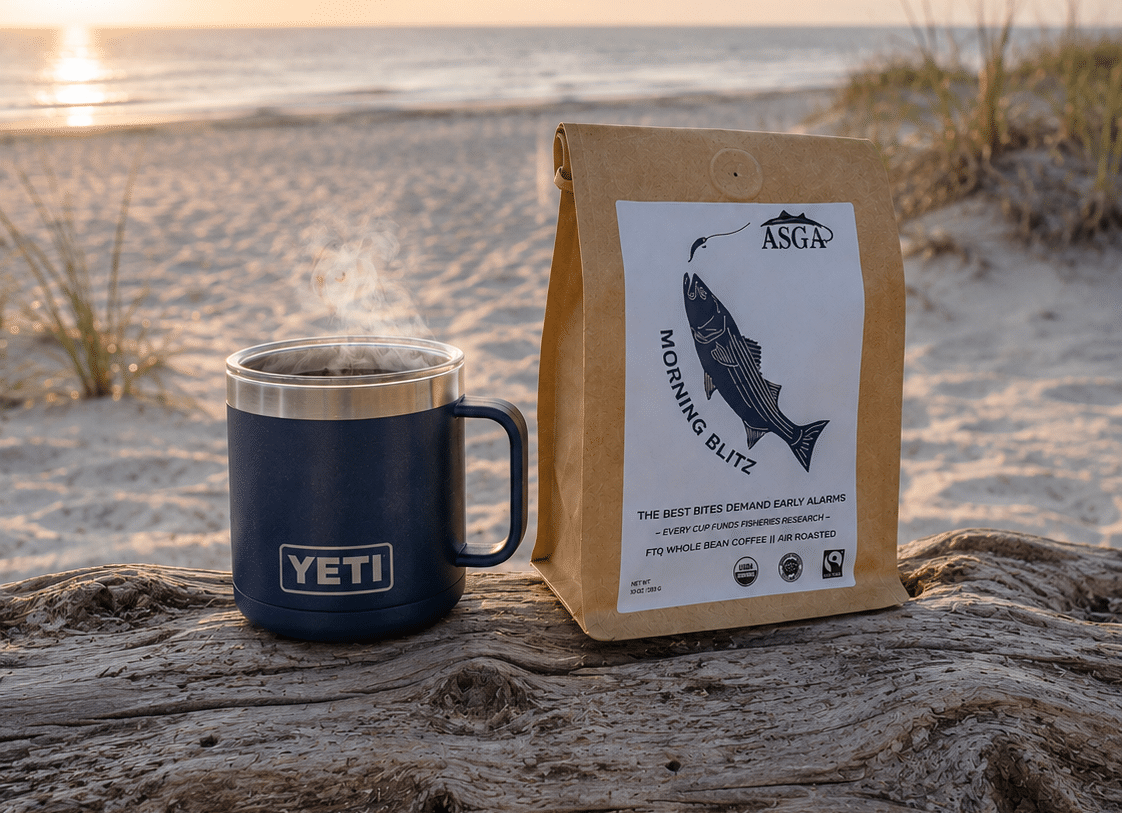
A premium coffee crafted for the ASGA community. Every bag funds striped bass research.
Shop Morning BlitzGIVE THE GIFT OF FISHERIES CONSERVATION THIS HOLIDAY SEASON. SHOP ASGA GOODS THAT FUND FISHERIES RESEARCH & ADVOCACY CAMPAIGNS
JOIN ASGA IN CALLING FOR CRITICAL MANAGEMENT ACTION AFTER YEARS OF SPAWN FAILURES & POOR MANAGEMENT.
By using this website, you agree to our use of cookies. We use cookies to provide you with a great experience and to help our website run effectively. To learn more, please review our privacy policy.